


The Female Founders Campaign is The W’s ongoing editorial commitment to spotlighting women who build with purpose, integrity and long-term vision. Women whose leadership is not driven by noise or novelty, but by depth of expertise and quiet conviction. In this edition, we turn our focus to Dr Bhavjit Kaur, founder of Tuhi Clinic and doctor whose career spans more than three decades and whose influence within aesthetic medicine has been shaped by ethics as much as excellence. Qualified since 1993, with over sixteen years dedicated to aesthetic medicine, Dr Kaur is a postgraduate in pathology and biomedical sciences, a board member and mentor at the British College of Aesthetic Medicine, and a trusted voice within international medical circles. Known for her unwavering commitment to patient safety, education and evidence-led practice, she represents a rare kind of founder, one who builds not for visibility, but for legacy.
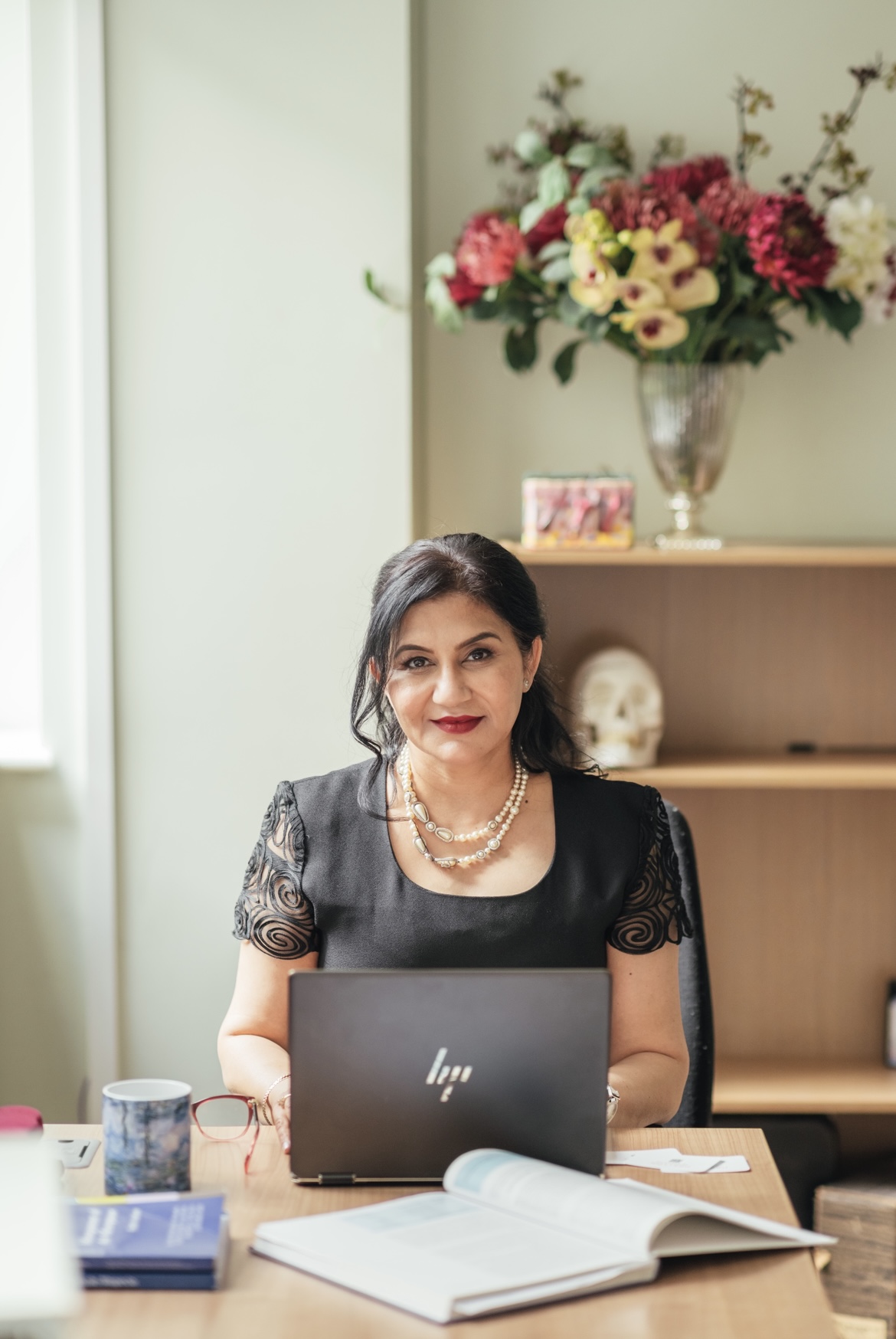
There are doctors who follow a profession, and then there are those who seem to have been shaped by it long before a stethoscope ever entered their hands. For Dr Bhavjit Kaur, medicine was not a late decision or a convenient path, but a certainty formed in childhood.
At four years old, she was given a toy doctor’s set by her grandfather. It became more than a game. He began calling her “doctor”, and the name stayed. What followed was not a momentary fantasy, but a lifelong alignment with purpose.
“I didn’t grow out of it,” she reflects. “I believed I was a doctor. There was never really another option.”
Now a qualified medical practitioner since 1993, with over sixteen years specialising in aesthetic medicine, Dr Kaur’s career spans pathology, sexual health, clinical education, and leadership at the British College of Aesthetic Medicine. She is a board member, appraiser, mentor, published author, and international speaker. Yet titles, impressive as they are, do not define her work. Her guiding principle has always been simpler, and harder to maintain. Patient safety first. Ethics before commerce. Medicine before trend.
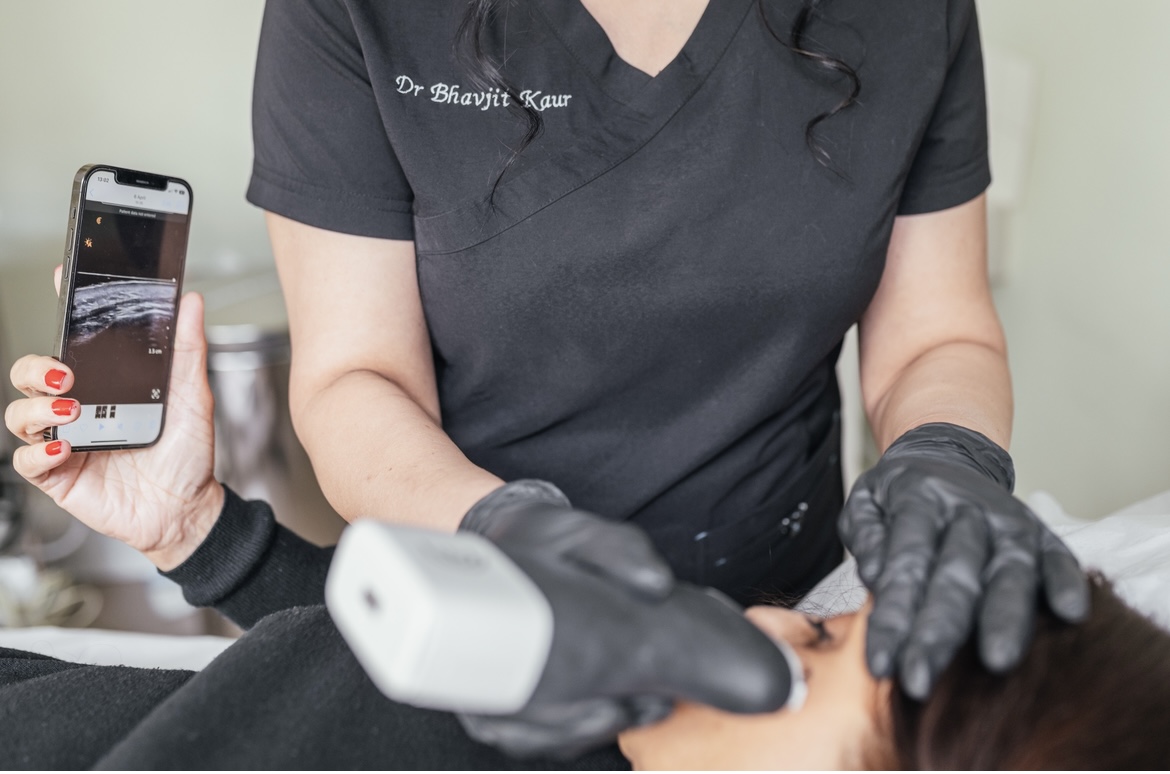
Dr Kaur is careful with language. She does not describe aesthetics as an industry, but as a medical sector. She does not have clients, only patients. These distinctions matter to her, and they shape how she practices.
Her transition into aesthetic medicine was not driven by glamour or opportunity, but by circumstance, curiosity, and care. After years working within the NHS, family responsibilities, health considerations, and the emotional impact of relocating her children from a close-knit extended family in India to the UK forced a re-evaluation of balance.
A simple question from her sister about chemical peels sparked something unexpected. “She asked why I didn’t know,” Dr Kaur recalls. “And she was right. I realised how vast medicine is, and how much there still was to learn.”
Aesthetics did not replace medicine for her. It extended it.
When Dr Kaur entered aesthetic medicine in 2009, the landscape was unstructured and inconsistently regulated. Training was fragmented. One-day courses granted authority without confidence, and she did not feel safe practicing after only days of instruction.
“I had been a doctor for fourteen years at that point,” she says. “And I remember thinking, how can this be enough?”
Rather than rushing forward, she slowed down. She sought deeper education, formal qualifications, and evidence-based learning. When mentorship proved prohibitively expensive, she invested instead in structured academic pathways, joining what was then a pioneering postgraduate programme through the British College of Aesthetic Medicine.
The journey was not smooth. Courses ended prematurely. Qualifications shifted. Doors closed and reopened years later with new conditions attached. Dr Kaur chose not to repeat credentials for appearances’ sake. She continued learning regardless.
“I was thirsty for knowledge,” she says simply. “I wanted to be a safe doctor.”
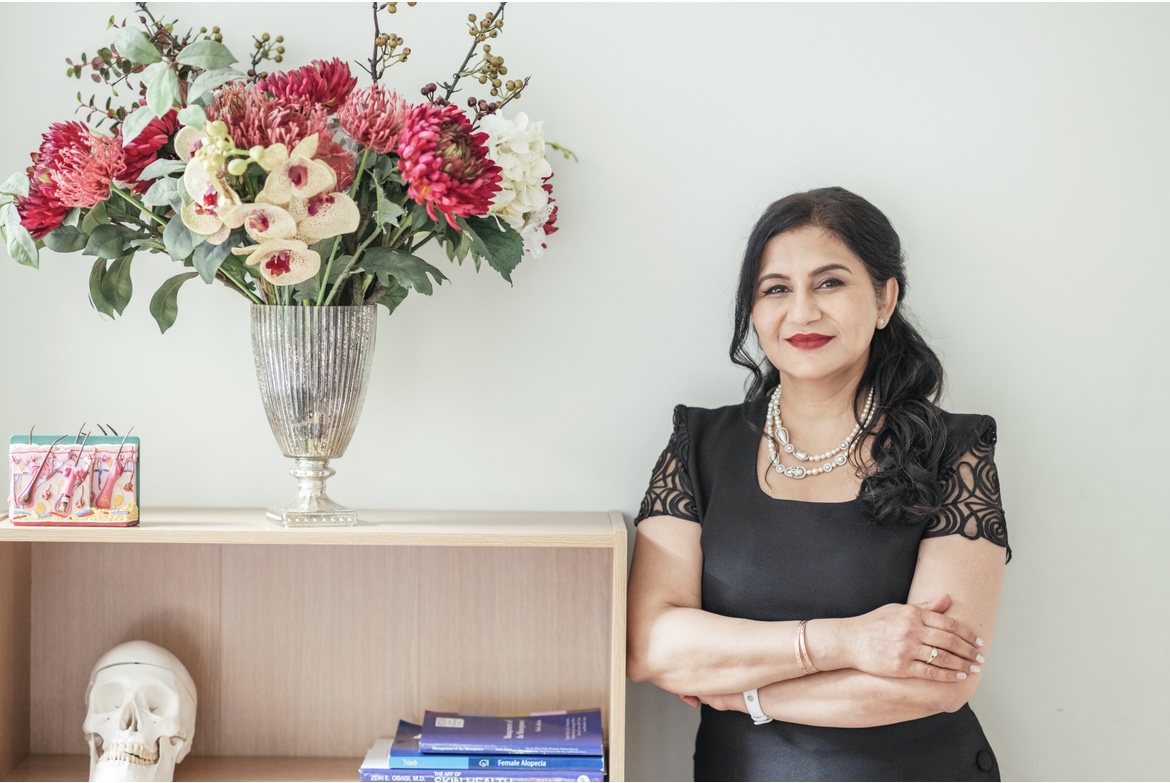
Starting a clinic as a woman of colour in South East London came with challenges rarely discussed openly in professional narratives.
“When my business partner and I tried to hire an HR company, they questioned whether two women of colour could successfully run an aesthetic clinic,” she recalls. “They said it wasn’t a good idea.”
The response was not outrage, but resolve. They declined the service, learned employment law themselves, started with zero-hour contracts, and built properly, slowly, ethically.
Dr Kaur speaks about racism with clarity rather than bitterness. She acknowledges that discrimination exists across cultures and geographies, including within India itself. It did not shock her, nor did it stop her. If anything, it reinforced her determination to build something credible, transparent, and resilient.
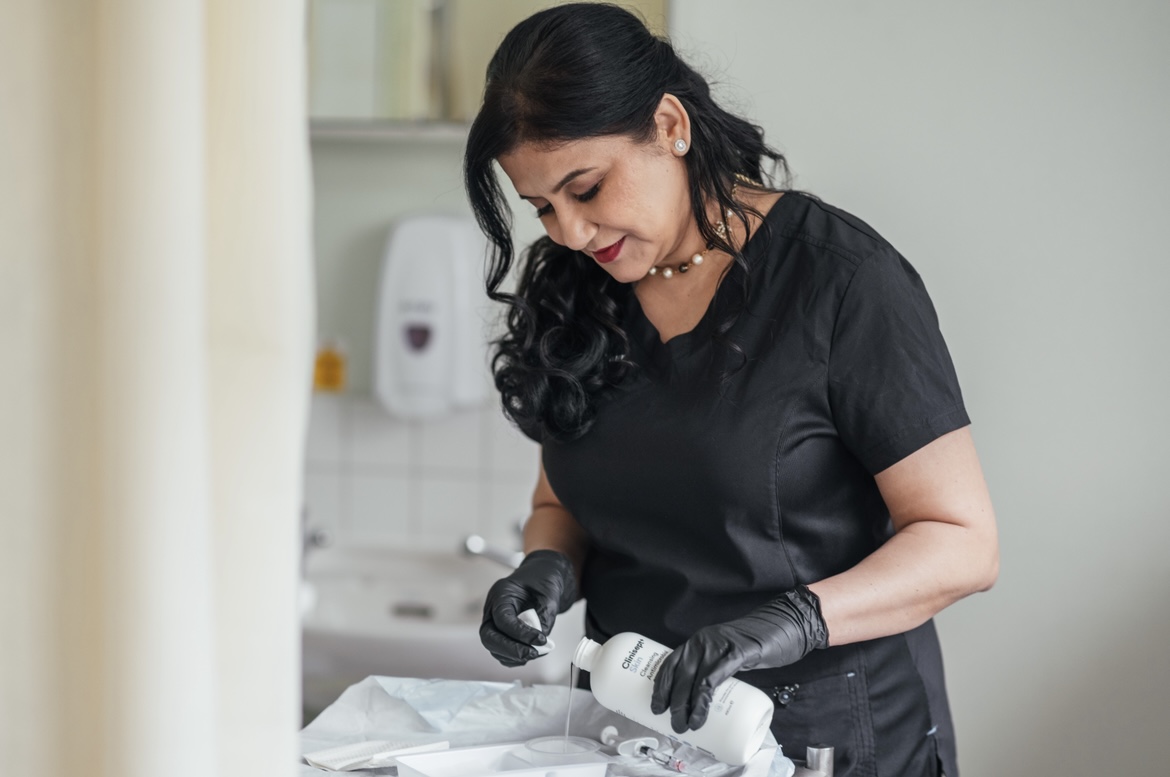
Dr Kaur’s reputation has been built on what she refuses as much as what she offers. She does not chase trends. She waits until technologies are established and proven. She says no to treatments she believes are unnecessary or unsafe. She prioritises natural outcomes over dramatic transformations.
“I want people to look like themselves,” she says. “Just fresher. More rested. More confident.”
This approach, she believes, is not only ethical, but sustainable. Trust, once earned, is enduring. Many of her patients have been with her for over a decade. They do not question recommendations, because they know she will just as readily advise against a treatment as for one.
“I want to sleep well at night,” she says. “And I want my patients to do the same.”
Perhaps the most moving insights come not from clinical theory, but from lived moments. A young woman who cried after seeing herself with lips she had never had. A patient who stopped hiding under hair accessories after years of hair loss. An actor who regained confidence and work after a treatment given pro bono.
These are not cosmetic stories. They are psychological ones.
“People underestimate how much passing comments affect women,” Dr Kaur says. Remarks about noses, chins, arms, or skin stay with people for years. Aesthetic medicine, when practiced responsibly, can restore more than appearance. It can restore identity.
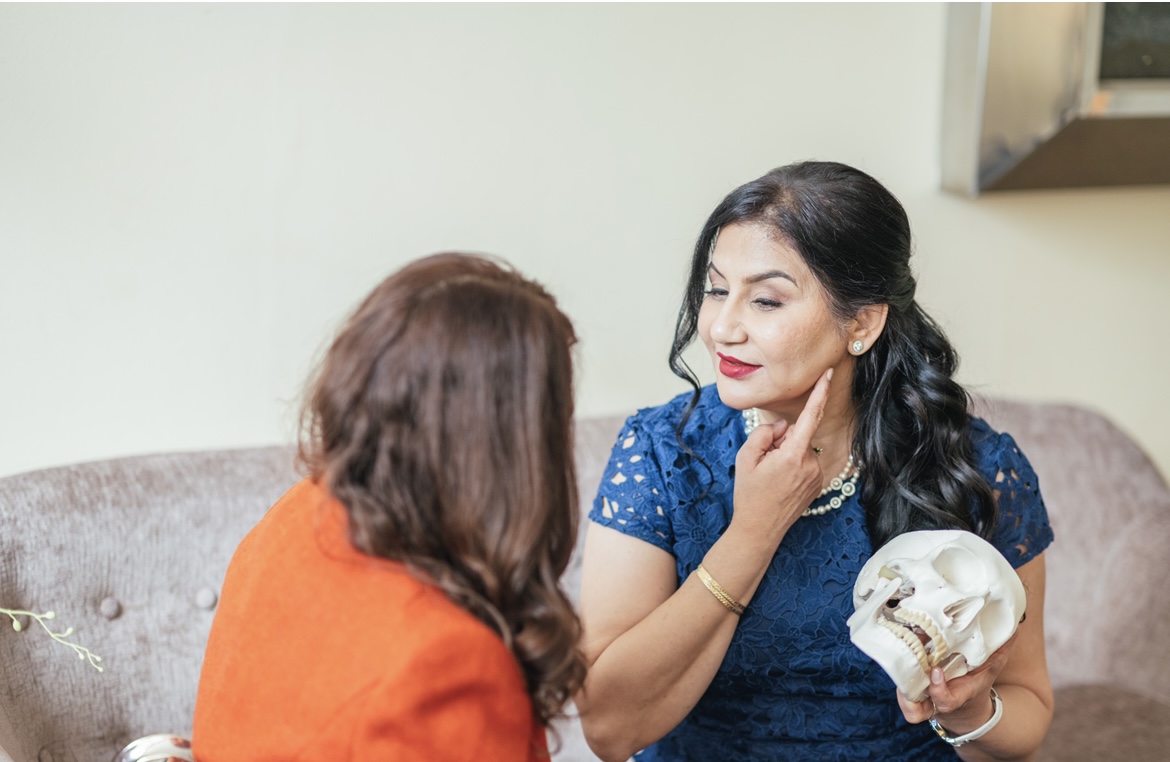
Dr Kaur’s expertise in treating skin of colour is deeply personal. Having experienced acne, scarring, and pigmentation herself, and treating a diverse patient population, she understands that ageing, inflammation, and healing present differently across ethnicities.
Hyperpigmentation, not wrinkles, is often the primary concern. Hormonal shifts, sun exposure, and genetics intersect in complex ways. This knowledge is not optional, she insists. As global populations become increasingly mixed, practitioners must understand skin biology properly, or risk harm.
Her commitment to education in this area has led to published work, teaching, and advocacy across the sector.

When asked what advice she would give to women navigating male-dominated fields, Dr Kaur does not hesitate.
“Believe you are worthy of every room you enter,” she says. “And do not become the biggest obstacle in your own progress.”
She speaks candidly about self-doubt, about the habit of saying “I can’t” before trying. She laughs as she recalls a mentor who fined her for every time she said it in class.
“We learn fast. We ask questions. We do not hide behind ego,” she says. “That is our strength.”
Success, for her, is not speed or visibility. It is trust. It is integrity. It is doing things properly, even when shortcuts are tempting.
“Live truthfully, because truth has a way of surfacing — and conscience sees everything,” a phrase from her grandmother that stayed with her.
In Dr Bhavjit Kaur’s world, medicine is still sacred. And that, perhaps, is exactly why her work endures.

To learn more about Dr Bhavjit Kaur and Tuhi Clinic visit: drbhavjitkaur.co.uk


.jpg)


