


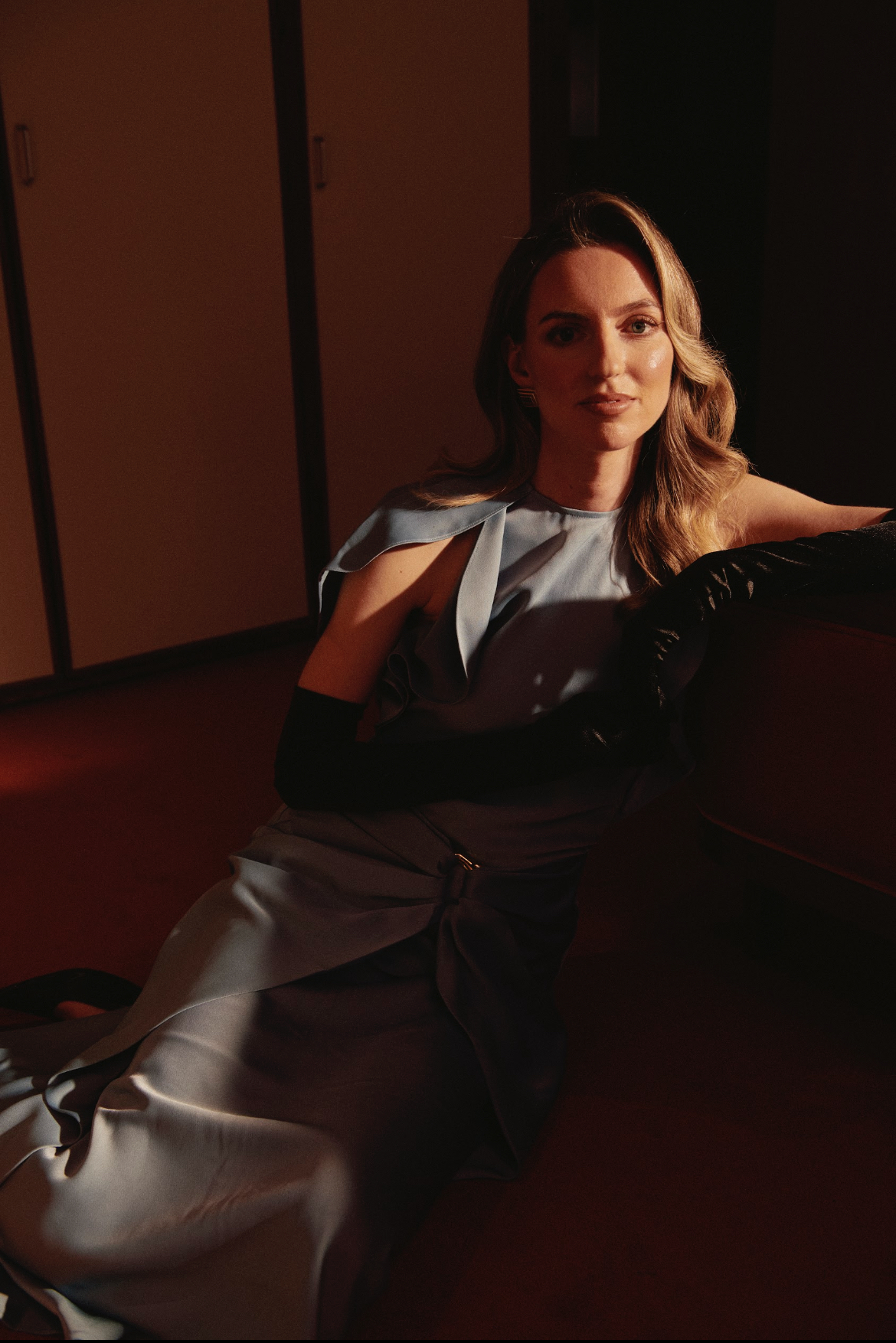
The Female Founders Campaign is The W’s editorial exploration of women who build creative worlds on their own terms, founders whose work is shaped as much by intuition as it is by intention. In this edition, we turn our attention to Katie McGowan, a contemporary artist and the founder of Wavism, a painting practice rooted in movement, emotion, and instinct. Known for sweeping brushstrokes, layered textures, and bold, expressive colour, Katie’s work translates feeling into form, capturing everything from stillness and clarity to grief, anger, and joy. Influenced by Impressionism, abstract expressionism, and contemporary impasto, and further refined through her studies at the Florence Academy of Art, she represents a new generation of female founders, artists who blend tradition with innovation and build visual languages that feel deeply personal, quietly powerful, and unmistakably their own.
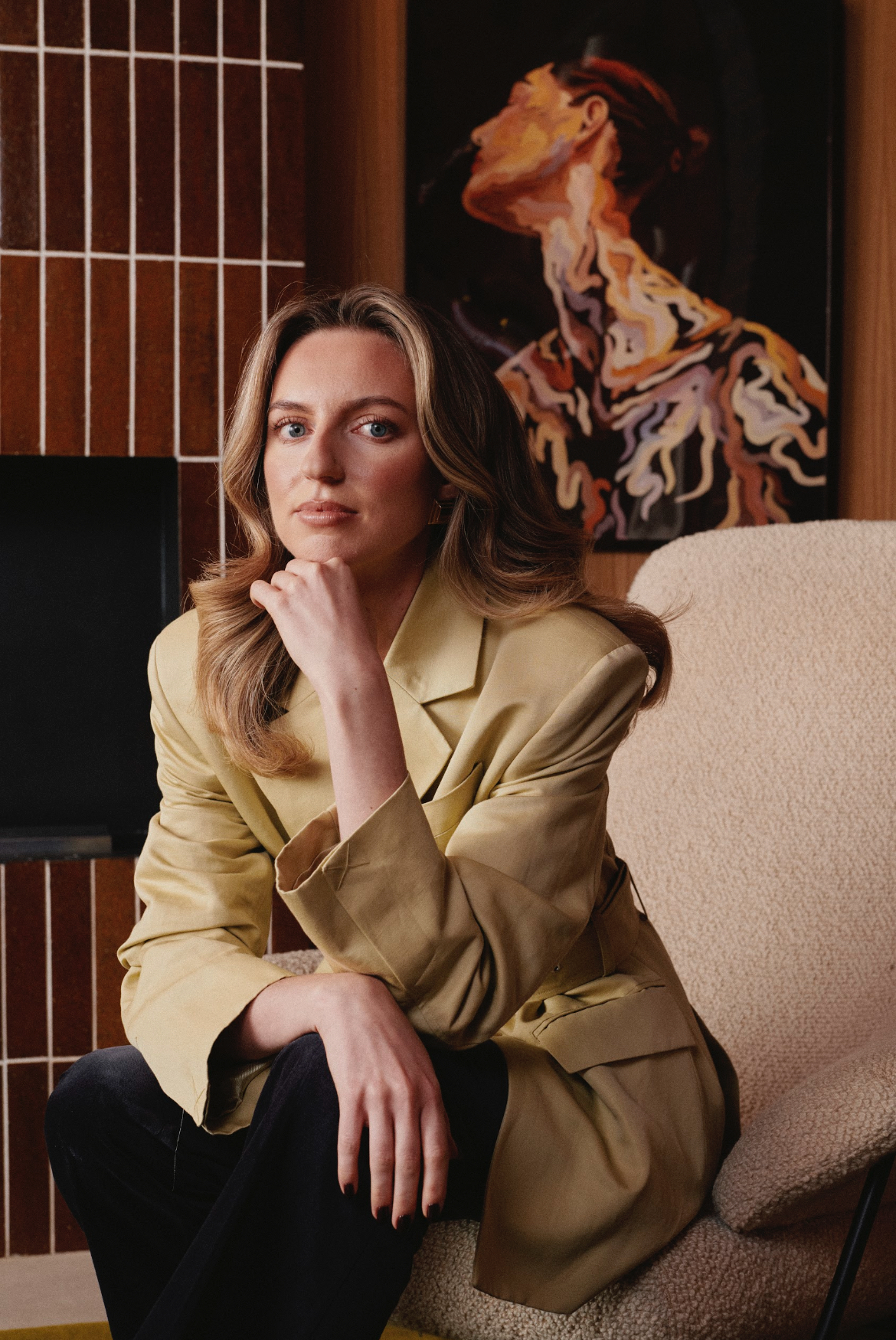
There is a particular kind of clarity that arrives not with drama, but with quiet persistence. For Katie McGowan, it did not appear in a single moment of rebellion or dissatisfaction, but in a growing awareness that her working life was steadily edging away from who she was becoming.
Before Wavism, her days were spent in central London offices, moving between data, tech, and digital product roles. She managed websites and apps, worked across teams of developers and designers, and lived a life defined by meetings and momentum. It was successful, structured, and secure. It was also, she realised, almost entirely devoid of creativity.
“I was always moving closer to it,” she reflects. “Each role had a little more creative freedom than the last. But I knew I wanted to work for myself. I just didn’t know how that would happen.”
Art, however, had never fully left her. She had painted throughout school, studied art at A-level, and remained a constant presence in galleries and exhibitions even while pursuing a corporate career. Only months into her first job after graduating, she returned to painting, not with ambition, but curiosity. It was something she loved. Something that brought joy. Something that began, quietly, to snowball.
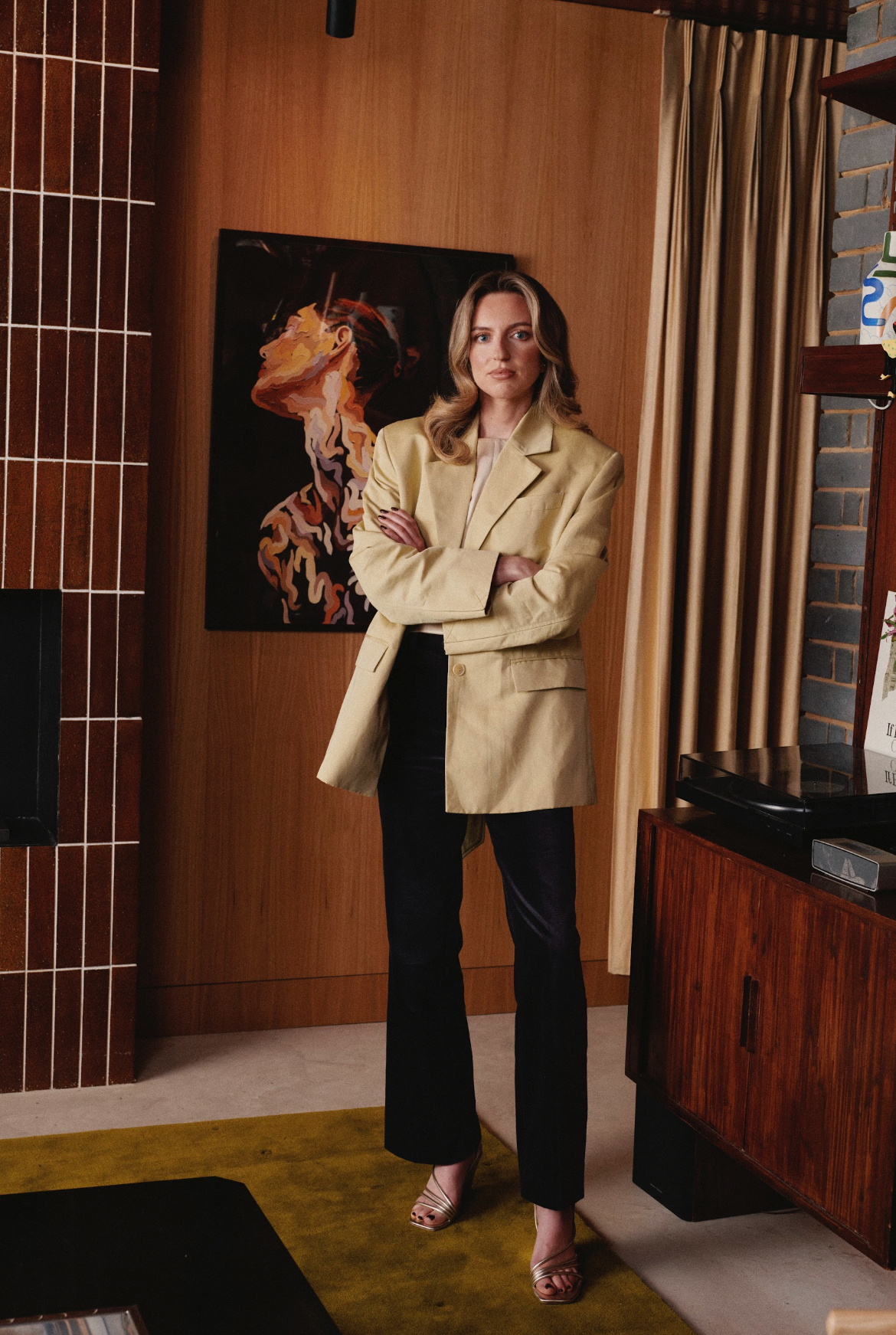
Unlike the romanticised notion of abandoning everything to follow a dream, Katie’s transition was measured, pragmatic, and deeply considered. Her art practice began as what she calls a side hustle, built in the margins of evenings and weekends, shaped by experimentation and discipline in equal measure.
Over time, the balance shifted. She began earning more from her art than from her corporate role. She invested in improving her practice, learning the business of art, understanding marketing, and building systems that allowed her work to function as a real enterprise.
“It was still scary,” she admits. “Any big change is. But I wanted to get to a point where I wasn’t lying awake worrying about next month’s rent.”
When she finally stepped away from her job earlier this year, the response around her was one of reassurance rather than resistance. Friends and family had watched her dedication over time. They had seen the energy, the consistency, the commitment. Even initial parental caution softened into pride.
Wavism, now recognised as both a visual style and a growing movement, began simply as a word that came to Katie while sketching. It was a way of articulating something she felt instinctively but had not yet named.
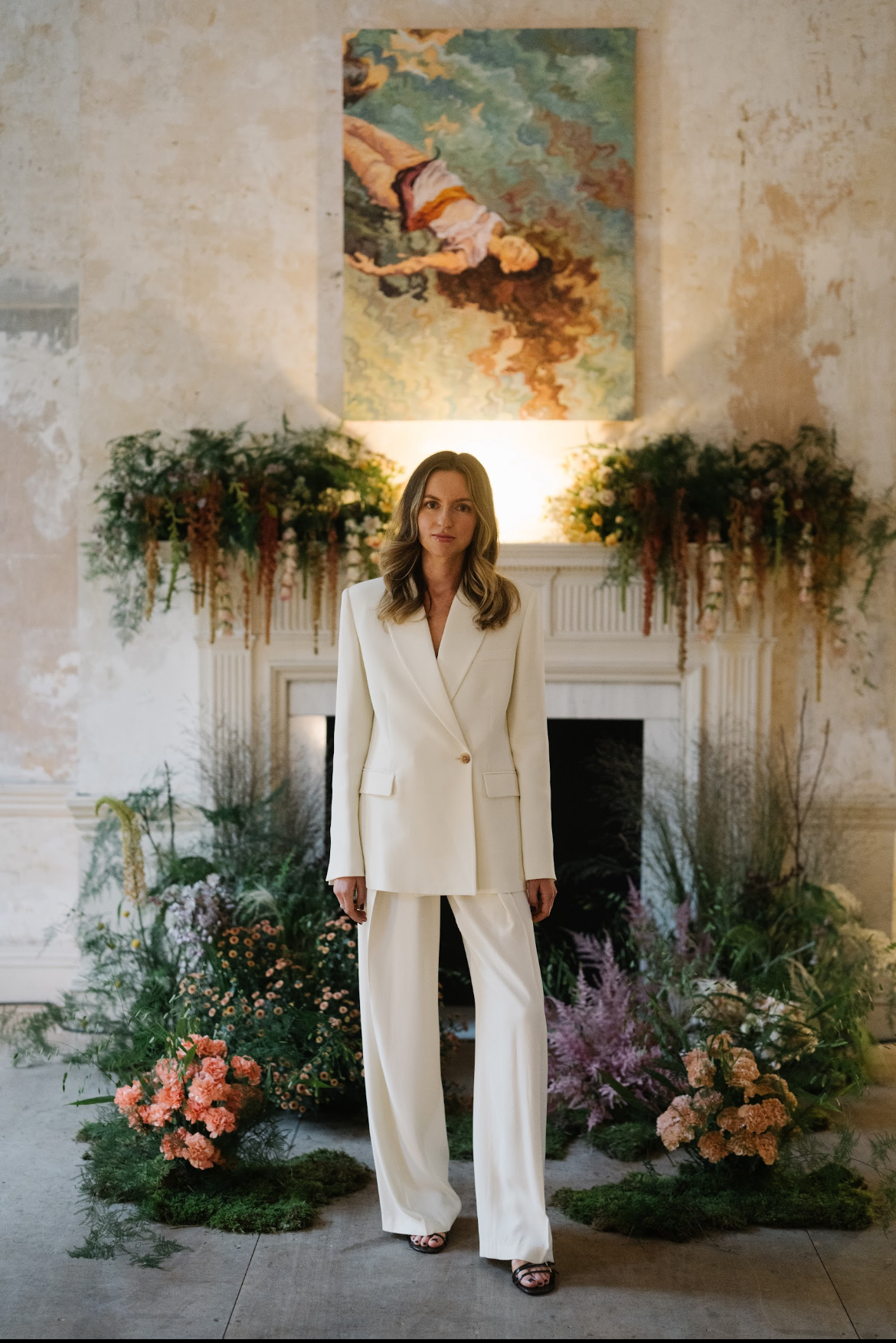
“I’ve never liked straight lines,” she says. “I don’t create in a conventional way. Using waves was my break from convention, it just felt natural to me.”
What started as a stylistic descriptor evolved into something far more expansive. Today, Wavism reflects what it feels like to create as a woman, to exist as one, to experience emotion without needing to sharpen or justify it. Her paintings, often centred on female forms, resonate not because they explain themselves, but because they do not try to.
“It’s the emotional response,” she says. “Women see themselves in the work. They feel something.”
One of the most significant shifts in Katie’s practice came when she allowed herself to stop trying to make her work make sense. This, she admits, remains a challenge.
“What I’ve learned is that my best work happens when I stop thinking about what I should make, or what my audience might want,” she says. “It’s about what I feel connected to.”
She recalls creating a painting earlier this year that she was certain no one would respond to. She loved it, but expected it to be overlooked. It became one of her most successful pieces.
The lesson, she says, was simple. Authenticity travels further than calculation.
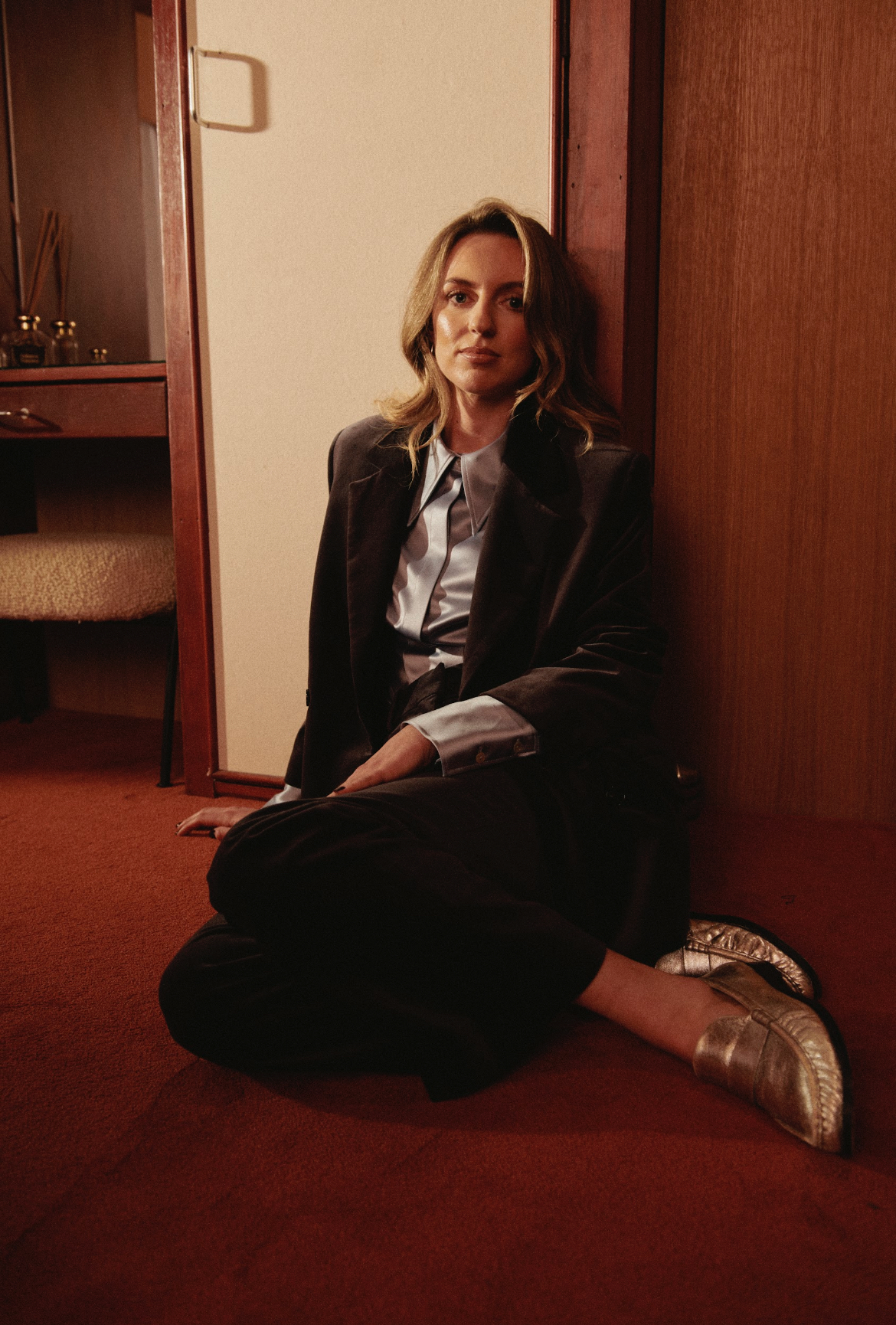
There remains a persistent myth that art is an unstable or unrealistic career. It is one that kept Katie hesitating for longer than she now wishes it had.
“I don’t want financial instability,” she says plainly. “That doesn’t appeal to me.”
What she discovered, however, is that the modern landscape has shifted. Technology and social media have levelled the field. With the right systems, understanding, and engagement, art can be as viable as any other business.
“People think it’s different,” she says. “But it isn’t. It just requires intention.”
Since committing fully to her work, the most significant change has not been productivity, but spaciousness. With the removal of constant pressure, she has gained capacity for rest, movement, nourishment, and curiosity. The result has been calmer energy and, paradoxically, deeper creativity.
If Katie’s work carries a quiet message, it is one of self-authority. She speaks openly about the opacity of the traditional art world, and the sense that legitimacy must be granted by institutions rather than claimed.
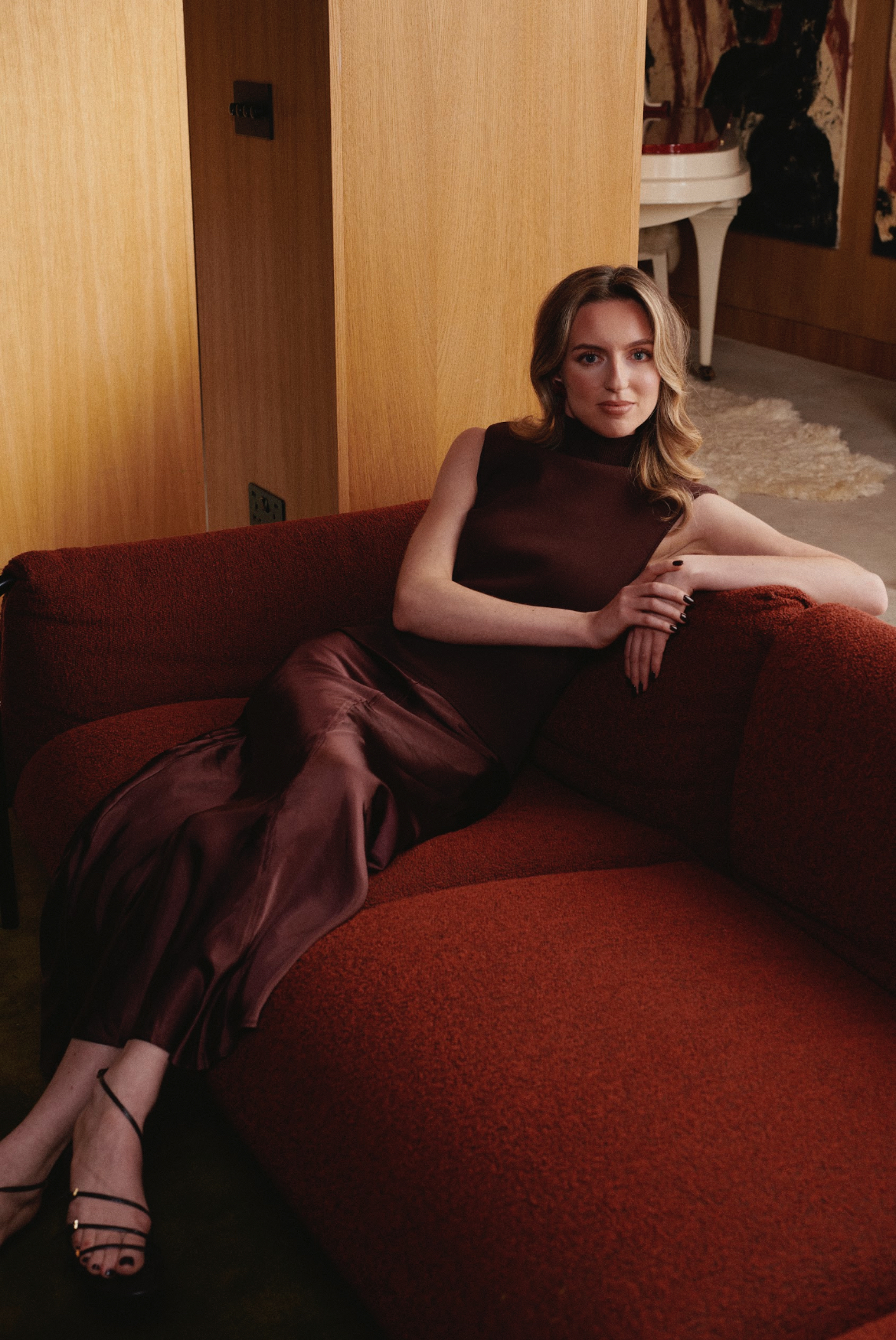
“You can do so much independently,” she says. “You don’t have to wait for permission.”
Her hope is that other artists, particularly women, see her journey as evidence that ownership matters. That power does not need to be outsourced to galleries, gatekeepers, or perceived elites. Creating, sharing, and trusting the work can be enough.
“It’s never too late,” she adds. “I only went full-time at thirty. People think everything has to be decided in your twenties. It doesn’t.”
Asked what she would say to the version of herself still sitting at a corporate desk, Katie smiles.
“I’d tell her she’s in for a crazy ride,” she says. “But that she’s more than capable of handling it. And that it’s going to be fun.”
In a culture obsessed with acceleration and spectacle, Katie McGowan represents a different kind of founder. One who builds steadily. One who listens inwardly. One who understands that confidence does not always announce itself loudly.
Sometimes, it arrives as a quiet decision to trust yourself.
To learn more about Katie, visit: www.katiemcgowanart.co.uk

.jpg)


