


How Gunna Traded the Courtroom for the Course, and Found Himself on the Other Side
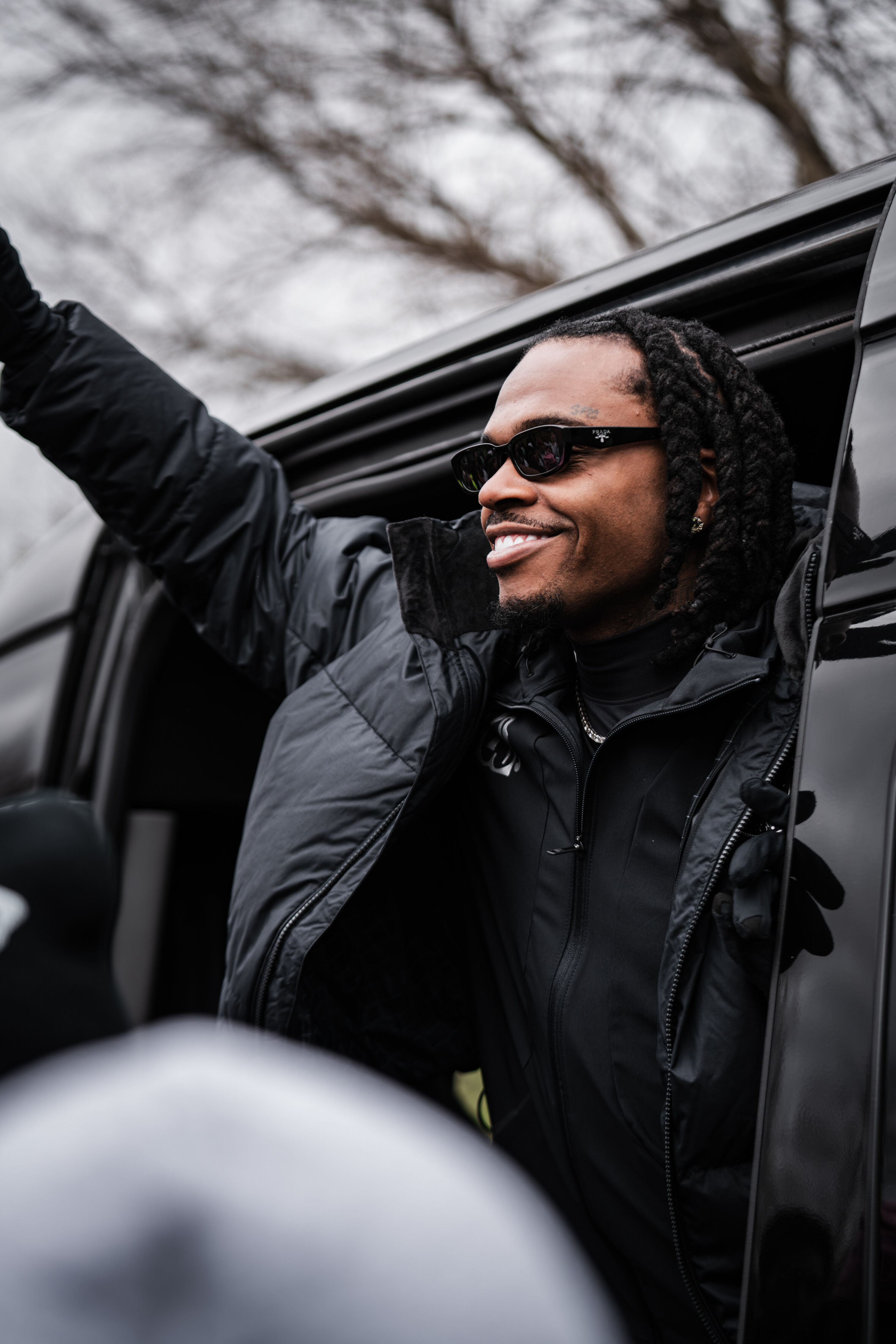
Real reinvention doesn’t hold a press conference. It doesn’t drop a trailer or trend on social media. It shows up quietly, in the small choices a person makes when nobody is watching, in what they eat, how early they rise, and how far they’re willing to run when the world has already written their story for them. That is the version of Gunna the world is meeting now.
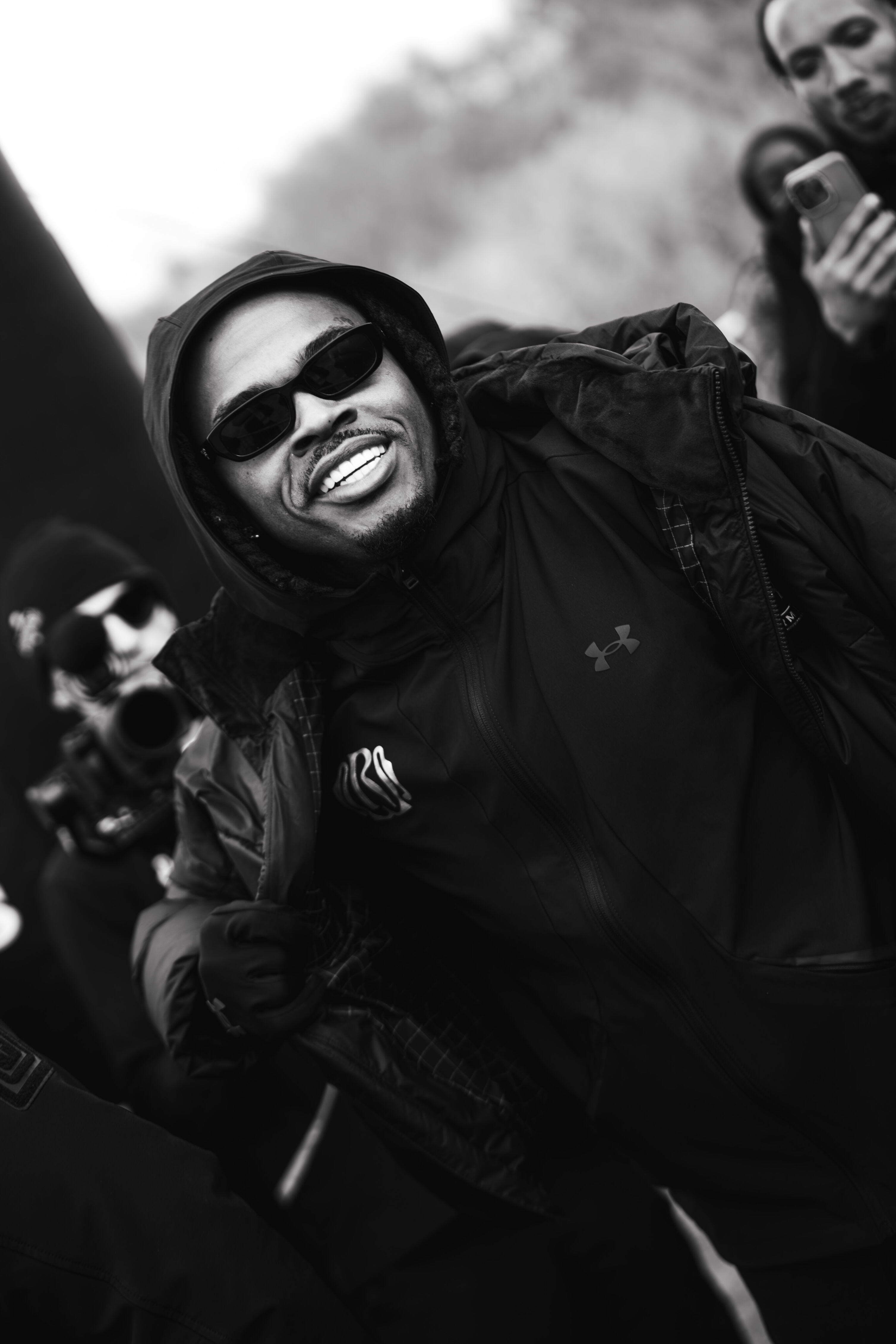
On Wednesday 25 March 2026, the Queen Elizabeth Olympic Park in Stratford, east London, became the unlikely stage for a different kind of performance. No microphone. No backing track. Just trainers on tarmac. Gunna brought his Wunna Run 5K to London, the sole European stop on a global tour that has quietly become as much about sweat as it is about sound.
Roughly 1,000 people showed up, and they weren’t all runners. Among them was Craig Mitch, the London media stalwart whose fingerprints are across BBC, MTV, GRM Daily, and Kiss FM. Pastor Tobi Adegboyega, the visioner and Global Head of Strategy of SPAC Nxtion Fxmily, arrived with his characteristic entourage, his presence alone a marker of the cultural orbit this initiative has already entered. When a wellness event launched by a rapper draws figures from media and faith communities alike, something deeper is happening.
Sergio Giavanni Kitchens was born on 14 June 1993 and raised in College Park, one of Atlanta’s tougher postcodes. Drugs were part of the scenery before rap became the exit route. He signed to Young Thug’s YSL Records in 2016 and began releasing mixtapes under the Drip Season banner with a prolificacy that bordered on compulsive. By 2018, he had cracked the Billboard 200.
What followed was a sprint. His second studio album, Wunna, opened at number one on the Billboard 200 in 2020. DS4Ever did the same in 2022. Two consecutive chart-toppers. Platinum plaques stacking like furniture. In the grammar of the music industry, Gunna was untouchable.
And then the ground opened beneath him.
In May 2022, Gunna was swept up in a sprawling 56-count RICO indictment targeting YSL Records. By December of that year, he had entered an Alford plea, a legal mechanism that allows a defendant to plead guilty without admitting to the act, on a single racketeering charge. His sentence was commuted to time served. The remaining four years were suspended, contingent on probation and 500 hours of community service.
In a statement released upon his freedom, he wrote words that carried the weight of someone choosing a future over a mythology: that he saw his situation as an opportunity to give back, to educate young people that gangs and violence only ever lead to destruction.
Hip-hop did not offer him grace. YSL affiliates and former collaborators, including Lil Baby, a close friend Gunna had reportedly mentored in the art of rapping, unfollowed him on social media. The word “snitch” was wielded with abandon by people who had never spent a single night in a Georgia jail cell. The digital mob was loud. The streets were louder.
Lesser men have crumbled under less. Gunna laced up his trainers.
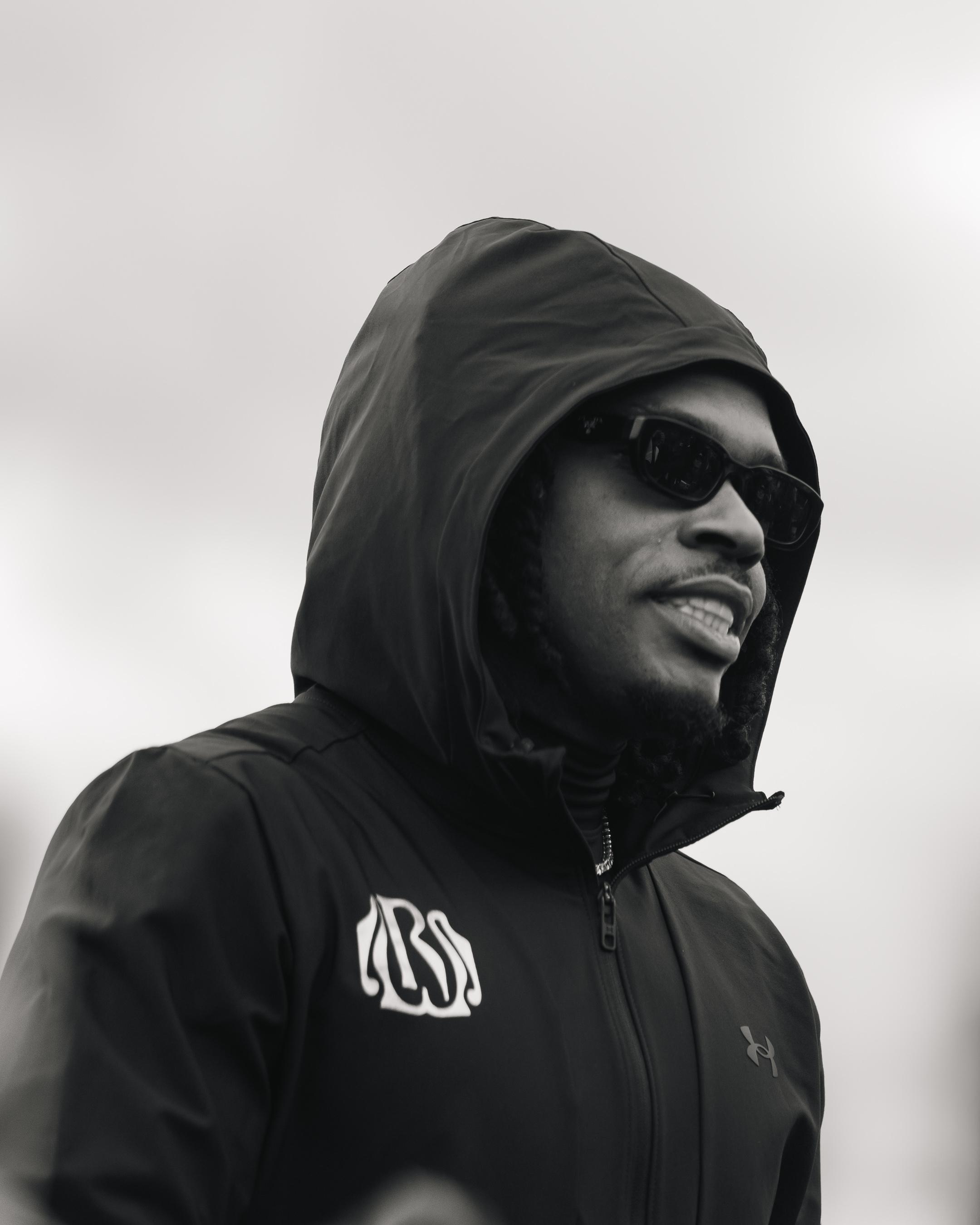
At 32, the rapper has undergone a transformation that is visible but never loudly declared. He traded late nights for early mornings. He swapped excess for discipline. He works out six days a week. He eats clean. And rather than performing wellness for the algorithm, as so many celebrity fitness pivots tend to do, Gunna appears to be simply living it.
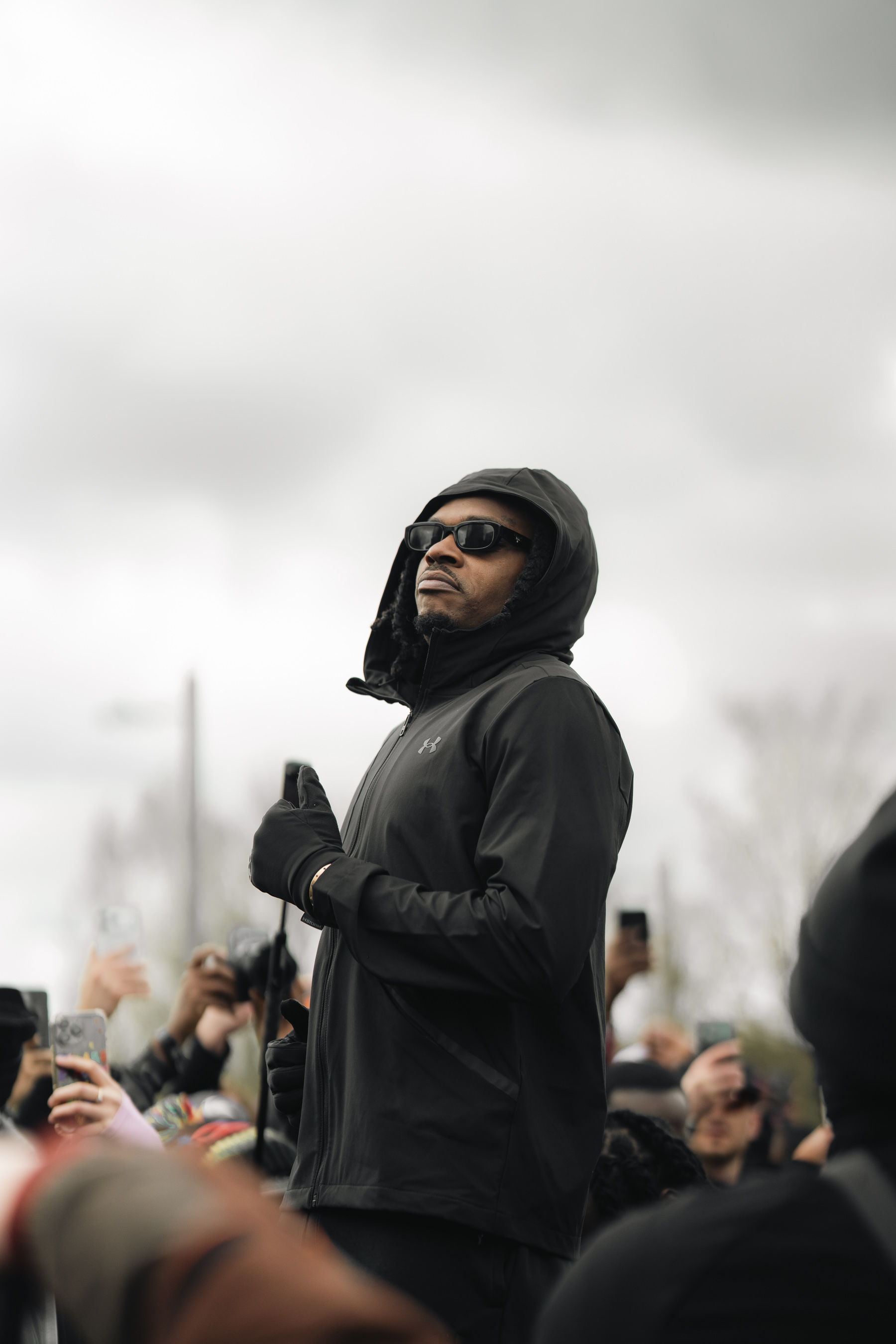
Hip-hop’s relationship with the body has historically been defined by indulgence: the drip, the grind, the studio sessions stretching past dawn. A 10am 5K doesn’t feature in that mythology. But Gunna, to his credit, is not asking anyone’s permission to rewrite the script.
He has spoken plainly about it, stating that health and wellness are the foundation of a positive lifestyle. There is no brand deal cadence to those words. No influencer-speak. Just a man who found something on the other side of a prison sentence that most people spend a lifetime searching for: a reason to move.
The Wunna Run Club officially launched in August 2025 with a 5K through Brooklyn’s Prospect Park. The event doubled as a fundraiser for Gunna’s Great Giveaway, a nonprofit built to channel tangible resources into families and communities across Atlanta.
At a subsequent rain-soaked edition in Manhattan, a crowd of young people, most of them Black, turned out regardless of the weather. They weren’t there for the love of running. They were there for Gunna. Inspired, they showed up under a grey sky to run beside a man whose story they recognised in their own. That is influence of a kind that cannot be bought.
Gunna himself crossed the finish line of that New York 5K in roughly eight minutes. Asked how he felt, his answer was disarmingly simple: good, and ready to perform. That same evening, he delivered a sold-out, high-energy set at Madison Square Garden. The juxtaposition was deliberate, even if he didn’t say so. The run feeds the stage. The stage validates the run.
Today’s London edition at the Queen Elizabeth Olympic Park was, by any measure, an event that punched well above the weight of a typical celebrity activation. On-site partners included Under Armour, Nando’s, Warner Music UK, Red Bull, and community run partner So, Run, a coalition that transformed the park into something between a music festival and a grassroots athletics meeting.
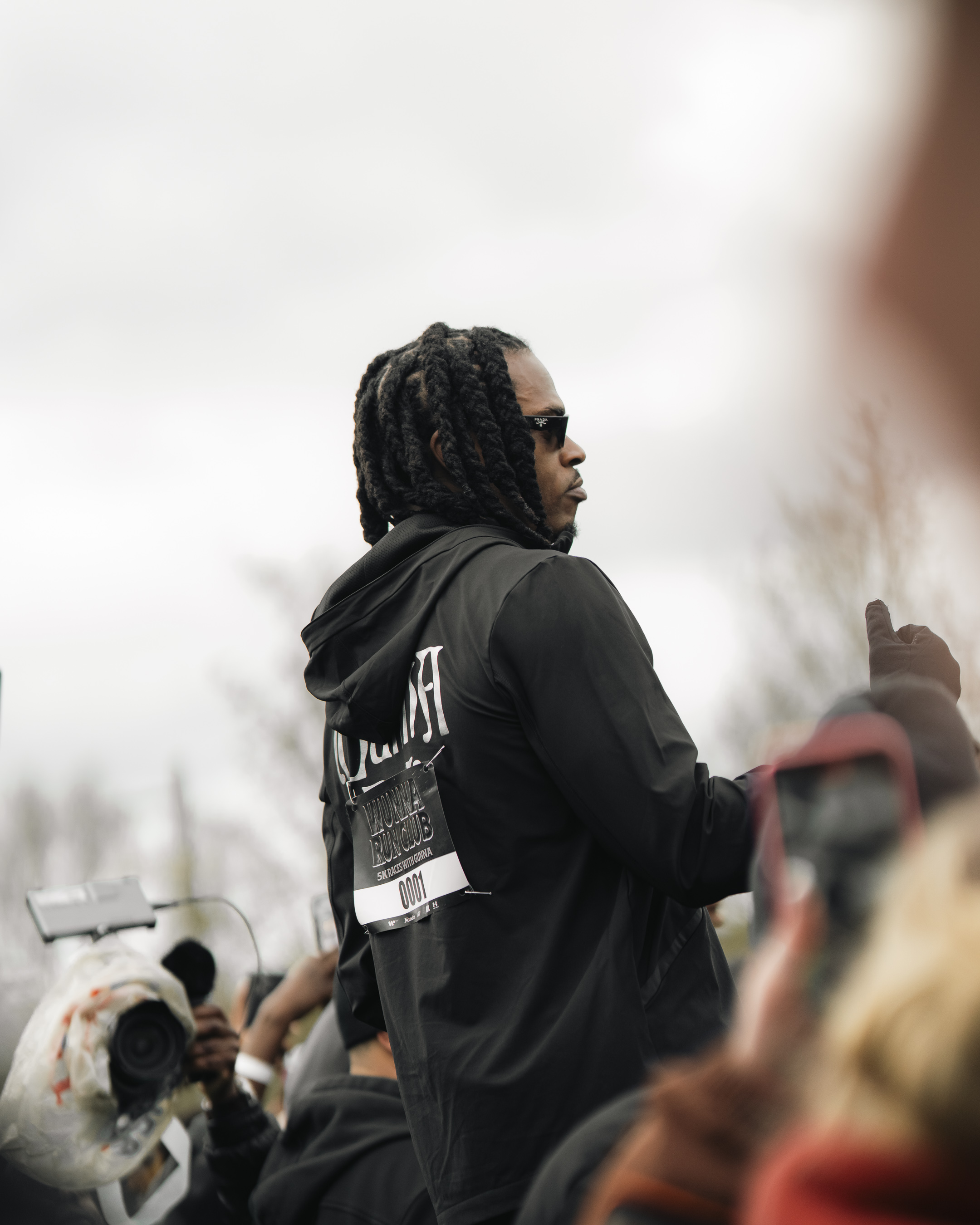
Every participant received a medal and a UK-exclusive Gunna running T-shirt. Proceeds from the event will benefit the Great Giveaway’s work in Atlanta, with a portion also earmarked for similar community organisations in the United Kingdom, a deliberate expansion of the initiative’s footprint beyond American borders.
On TikTok and Instagram, Gunna has been posting workouts, looking leaner, and doubling down on the lifestyle that now defines his public image. The Wunna Run Club offers fans something concerts and playlists cannot: the chance to show up differently, together.
By nightfall, Gunna will be back where audiences have always expected him: on stage at The O2 Arena, performing the first of two sold-out London dates, with the second set for 31 March. The cheers will be loud. The bass will hit. The crowd will move the way crowds do when they are in the presence of something they believe in.
But the real story of the day will already have been written, not under stage lights, but in the grey London morning, across five kilometres of east London tarmac, by a man who decided that survival was not enough. That he would run from the noise, and towards something worth chasing.

.jpg)


